Fraxel vs CO2 Laser

April 14, 2026

Fraxel vs. CO2 Laser

If you are planning a beauty trip to Seoul in 2026, you will likely choose between the versatile Fraxel Dual and the intensive CO2 Fractional Laser. While both are fractional treatments designed to resurface the skin, they represent two different levels of intensity. Understanding whether you need "Gentle Refinement" or "Deep Resurfacing" is the first step to managing your recovery time and results.

The Key Difference: Non-Ablative vs. Ablative

The core difference lies in whether the laser removes the top layer of your skin:

  • Fraxel Dual (Non-Ablative): This is a "top-down" approach. It uses two wavelengths (1550nm for deep scars and 1927nm for surface pigment) to heat microscopic columns of tissue without wounding the surface. It triggers collagen production from within, leaving the skin's protective barrier intact.
  • CO2 Fractional Laser (Ablative): This is a "reset" approach. It uses a 10600nm wavelength to vaporize the outer layers of damaged skin while simultaneously heating the deeper dermis. Because it physically removes tissue, it provides a much more dramatic transformation but requires a significant healing period.

Comparison: Fraxel vs. CO2 Laser

In 2026, Seoul clinics typically recommend these based on the severity of your scarring and your tolerance for downtime.

Fraxel Dual Features:

  • Primary Goal: Tone, Pores, and Mild-to-Moderate Acne Scars
  • Technology: Non-Ablative Fractional (1550nm/1927nm)
  • Downtime: 3–5 Days (Redness and "sandpaper" texture)
  • Sessions Needed: 3–5 sessions for optimal results

CO2 Fractional Laser Features:

  • Primary Goal: Deep "Ice-pick" Scars & Severe Wrinkles
  • Technology: Ablative Fractional (10600nm)
  • Downtime: 7–14 Days (Crusting, scabbing, and oozing)
  • Sessions Needed: 1–2 sessions for dramatic change

Treatment Cost in Seoul (2026 Estimates)

Seoul remains a global hub for laser technology, offering these high-end treatments at a fraction of Western prices.

1. Fraxel Dual (The Texture Specialist)

  • Full Face (Single): $250 – $550 USD
  • Scar Focus (Localized): $150 – $300 USD
  • Note: Often bundled with Exosomes or PDRN to speed up the healing of the micro-channels.

2. CO2 Fractional Laser (The Deep Resurfacer)

  • Full Face (Single): $400 – $900 USD
  • Targeted Deep Scars: $200 – $450 USD
  • Note: Higher-end clinics utilize the Lumenis UltraPulse, which is considered the "Gold Standard" for CO2 technology.

Which One Should You Choose?

  • Choose Fraxel Dual if: You have moderate acne scars, enlarged pores, or sun damage and cannot afford to hide away for two weeks. It is the safer choice for those prone to pigmentation and offers a gradual, natural improvement in skin quality.
  • Choose CO2 Fractional Laser if: You are targeting severe, indented scarring or deep-set wrinkles and want "one-and-done" results. If you can commit to a strict 10-day indoor recovery period, the structural remodeling provided by an ablative CO2 laser is unmatched.
  • The "Seoul Scar" Strategy: In 2026, many Gangnam clinics use a "Cross-Technique" for acne scars. They use a CO2 laser specifically on deep "ice-pick" scars (spot treatment) and then treat the rest of the face with Fraxel Dual to even out the overall texture and tone.

Why Foreign Patients Choose Seoul

  • Dual-Wavelength Mastery: Seoul dermatologists are experts at "stacking" wavelengths. They frequently use the 1927nm Fraxel setting to "clear the surface" of pigment while using the 1550nm setting to "build the depth" for scars in a single session.
  • Aggressive Post-Care: To combat the redness of CO2 lasers, Seoul clinics offer Cryo-Cell therapy and Omega Light (LED) sessions immediately after the procedure, which are often included in the base price.
  • Same-Day Consultation: Most clinics in major districts provide English-speaking coordinators who can help you mix and match these treatments in a single 2-hour visit.

Is It Worth Traveling to Korea for These Treatments?

For many patients, the answer is a resounding yes. The cost of premium laser procedures in Western markets can often be double or triple the price found in Seoul. In Korea, you benefit from:

  • High-Volume Expertise: Korean doctors perform these procedures so frequently that they have developed specialized protocols for maximum safety and efficacy.
  • Access to Newest Models: Korea often gets access to the latest generation of laser devices and safety software before other global markets.
  • Streamlined Service: Tax refunds are often processed on-site, and the entire experience is optimized for international guests.

Final Thoughts

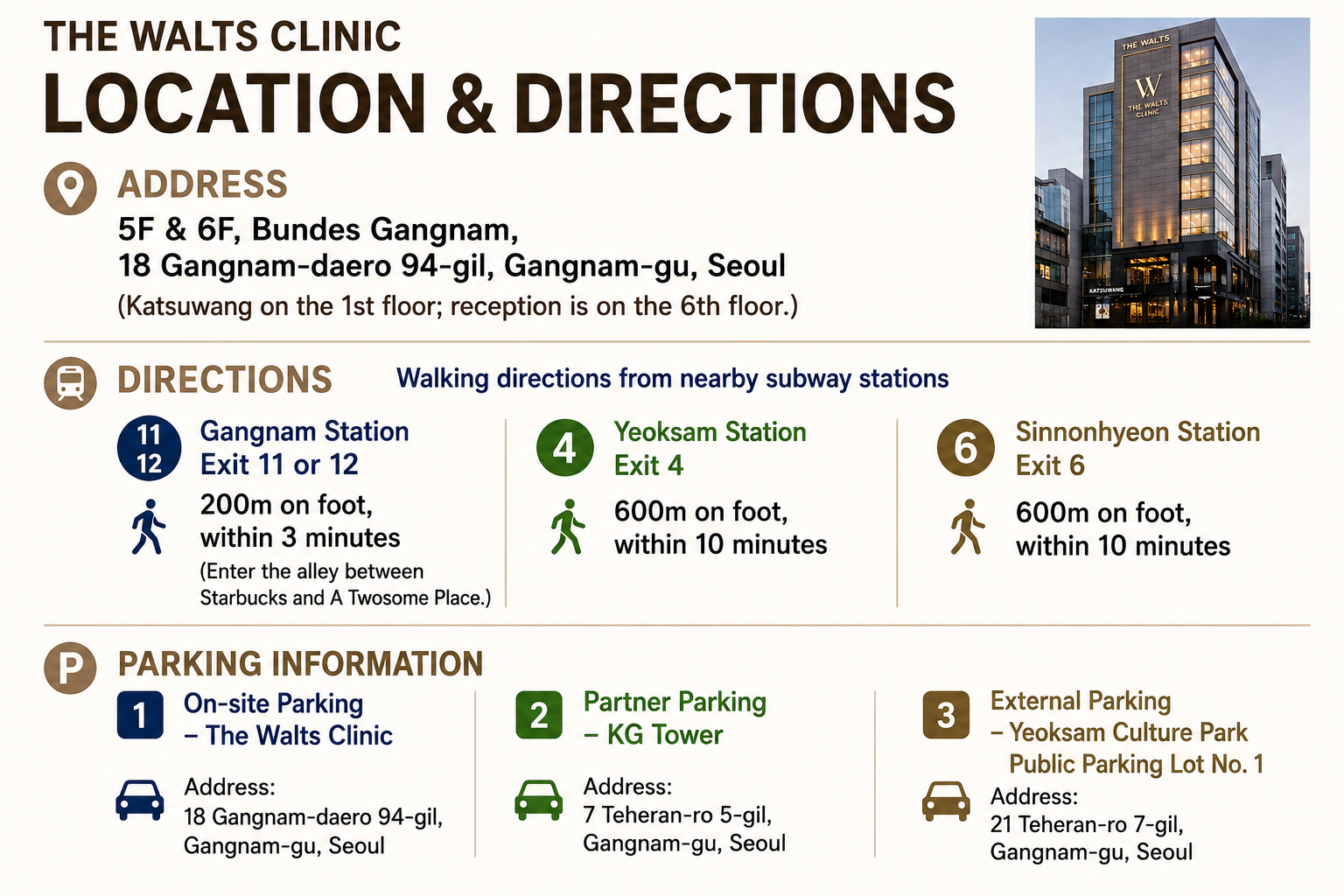
If you want to "refine and refresh" with minimal interruption to your life, Fraxel Dual is the modern standard. If you want to "rebuild and resurface" deep structural damage, CO2 Fractional Laser remains the most powerful tool in the dermatologist's arsenal. A consultation with a specialized clinic in Sinsa or Apgujeong will determine which laser depth is right for your 2026 travel schedule.

You might also like
April 17, 2026
Best Treatments for Skin Lifting: Seoul’s "Layered Lifting" Guide In 2026, the concept of a "facelift" in Seoul has been completely redefined by "Layered Lifting." Instead of relying on a single device, Korean dermatologists now treat the face as a multi-dimensional structure, addressing the muscle (SMAS), fat pads, and skin surface simultaneously. This 3D approach ensures a visible lift that looks natural both at rest and during facial expressions. 1. Ultherapy Prime (The Deep Architect) As of 2026, Ultherapy Prime remains the gold standard for non-surgical lifting. It is the only treatment that can precisely target the SMAS layer —the foundational muscle layer that surgeons tighten during a traditional facelift. How it works: It uses micro-focused ultrasound to create thermal coagulation points deep under the skin, triggering a massive collagen contraction. Best for: Lifting sagging jowls, defining the jawline, and raising heavy brows. Experience: Advanced Real-Time Imaging now allows doctors to see exactly where your nerves and vessels are, making the procedure safer and more effective than ever. 2. Density RF (The New Dual-Mode Tightener) A breakout favorite in 2026, Density is a high-frequency radiofrequency (RF) device that has become a serious competitor to Thermage. How it works: It is the first device to feature a patented combination of Monopolar and Bipolar RF in one tip. The bipolar energy provides immediate skin shrinkage, while the monopolar energy penetrates deep for long-term collagen remodeling. Best for: Patients who want immediate visible tightening with minimal discomfort and zero downtime. Result: A smoother, "shrink-wrapped" skin texture that looks firm and radiant. 3. "Ulthermage" (The VIP Double Stack) For those seeking the ultimate non-surgical transformation in 2026, the Ulthermage combination is the most requested protocol in Gangnam and Sinsa. The Strategy: Ultherapy acts as the "architect" to lift the deep foundation, while Thermage FLX acts as the "polisher" to tighten the skin’s surface. Experience: By treating multiple layers in a single session, it provides a comprehensive 3D lift that typically lasts 12–15 months. 4. Shurink Universe (The V-Line Sculptor) For younger patients or those seeking a more accessible price point, Shurink Universe (the latest generation of Korea’s famous HIFU) is the go-to for facial contouring. How it works: It uses High-Intensity Focused Ultrasound to slim the face by reducing small pockets of stubborn fat while simultaneously tightening the skin. Best for: Achieving the "V-Line" look, reducing a double chin, and maintaining elasticity in your 20s and 30s. 5. Titanium Lifting (The "Instant" Celebrity Lift) Titanium Lifting has surged in popularity in 2026 as the "Red Carpet" treatment because it provides an immediate lifting effect with absolutely no downtime or swelling. How it works: It utilizes three simultaneous wavelengths to target different depths of the skin, focusing on the retaining ligaments that hold the face up. Best for: International travelers who have a big event shortly after their arrival in Seoul. Why Foreign Patients Choose Seoul Seoul has become the world's lifting capital because clinics have moved beyond "one-size-fits-all" treatments. In 2026, clinics utilize AI-driven precision mapping to customize the energy levels based on your unique facial fat distribution. This prevents the "hollowed-out" look and ensures a natural result. Furthermore, the efficiency of the Korean medical system allows for 1:1 consultations and the procedure to be completed in a single 2-hour window. Is It Worth Traveling to Korea for Lifting Treatments? For international patients in 2026, traveling to Seoul for lifting is highly beneficial for several reasons: Cost Efficiency: Premium lifting packages are typically 40–50% more affordable in Seoul than in the US, Europe, or Australia, even with the highest-end equipment. Access to 2026 Technology: Seoul clinics often receive the latest energy-based devices and upgraded software years before they are available in other global markets. Immediate Tax Refunds: Most major skin clinics are registered for VAT refunds, which can be processed on-site, effectively giving you an additional discount. Specialized Experience: Korean practitioners perform these specific lifting protocols at a much higher volume, leading to refined techniques and more predictable outcomes. Final Thoughts If you have significant sagging and want the closest thing to a surgical lift, Ultherapy Prime is your foundation. If you are looking for skin firmness and a "glowy" finish, Density or Thermage are excellent choices. For those on a tighter schedule, Shurink Universe or Titanium Lifting provide excellent contouring results. A consultation with a specialist in Seoul will help you design a "Layered Lifting" plan tailored to your specific anatomy.
April 17, 2026
Best Treatments for Smile Lines: Seoul’s "Natural-Flow" Guide In 2026, the treatment for smile lines (nasolabial folds) in Seoul has pivoted away from traditional "heavy filling." The focus is now on "Mid-Face Anchoring" and "Dynamic Volume," ensuring that the lines disappear without creating the stiff "pillow-face" look when you actually smile. By addressing the mid-face sagging that causes the folds, Korean dermatologists achieve a much more youthful and natural result. 1. Juvelook Volume (The Collagen Anchor) While standard Juvelook is for skin texture, Juvelook Volume is the breakout 2026 superstar for smile lines. It is a hybrid biostimulator that uses larger PDLLA particles to provide structural support. How it works: It is injected deep into the mid-face and the "triangular" space at the base of the nose. It doesn't just fill the line; it stimulates your own collagen to lift the cheek area that is sagging onto the mouth. Best for: Patients who want a gradual, natural restoration of volume rather than the instant (and sometimes obvious) look of HA fillers. Result: Results develop over 4–8 weeks and provide a soft, "bouncy" support that lasts up to 18 months. 2. Precision Dermal Fillers (Dynamic Integration) For those who need immediate results, 2026 Seoul protocols use "Dynamic Fillers" —advanced Hyaluronic Acid brands designed to move with your facial expressions without shifting or looking unnatural. The 2026 Technique: Instead of injecting directly into the crease, doctors now "anchor" the filler at the cheekbone and the side of the nose to pull the tissue upward. Best for: Immediate correction of deep folds and targeted volume for the "nasal triangle." Experience: High satisfaction for international travelers who need to see results before their flight home. 3. "Ulthermage" (The Structural Lift) In 2026, many patients avoid injectables altogether by using the Ulthermage combination to tighten the skin's foundation. Ultherapy Prime: Uses focused ultrasound to target the deep SMAS layer, lifting the entire mid-face and reducing the weight that creates the smile line. Thermage FLX: Tightens the superficial skin to smooth out the fine "accordion" lines that appear around the mouth when smiling. 2026 Trend: Using AI-guided mapping to ensure the energy specifically targets the fat pads that contribute to nasolabial sagging. 4. Mint Thread Lifting (The Mechanical Anchor) For more advanced sagging where lasers and stimulators aren't enough, Mint Threads provide a mechanical lift to the mid-face. How it works: Micro-barbed threads are inserted into the cheek area to physically reposition sagging tissue upward and away from the smile lines. Best for: "Jowl" sagging and deep folds that are caused by significant tissue descent. Result: Immediate lifting effect with long-term collagen stimulation as the threads dissolve. 5. Noble Fill (Targeted Nasal Base Support) A specialized 2026 Korean technique involves supporting the "Noble Area" —the deep indentation right next to the nostrils. How it works: Using a high-density filler or a small "Noble" implant to push out the recessed base of the nose. Result: This single adjustment often dramatically reduces the depth of the smile lines without needing any filler in the actual fold itself. Why Foreign Patients Choose Seoul Seoul has become the destination for smile line correction because clinics utilize 3D Motion Analysis to see how your folds change when you laugh, speak, and rest. The 2026 "Smile-Sync" packages—pairing Juvelook Volume with a mini-Ultherapy session—allow international travelers to get a comprehensive lift in one trip. Clinics in Gangnam and Apgujeong also offer "painless" protocols, including sophisticated sedation or localized cooling, to ensure maximum comfort. Is It Worth Traveling to Korea for Smile Line Treatments? For international patients in 2026, traveling to Seoul for smile line correction is highly beneficial for several reasons: Cost-Benefit: High-end biostimulators like Juvelook Volume are 40–50% more affordable in Seoul, and the "layered" approach used by Korean doctors often means you need fewer syringes overall. Natural Aesthetics: Korean dermatologists are specifically trained in "Asian-Standard" beauty, which prioritizes a slim, natural mid-face over the "over-projected" cheek look common in some Western clinics. Advanced Technology: You gain access to the latest 2026 diagnostic tools and hybrid fillers that may not yet be available in your home country. Efficiency: You can typically receive a consultation, 3D imaging, and treatment all within a 2-hour window, making it easy to fit into a travel itinerary. Final Thoughts If you want a natural, long-term improvement, Juvelook Volume is the 2026 gold standard. If you need immediate results for a deep crease, Dynamic Dermal Fillers are your best option. For those focusing on overall face lifting, the Ulthermage combo provides the most comprehensive structural support. A consultation with a specialist in Seoul will help you determine whether your smile lines are caused by volume loss or skin sagging, ensuring you get the correct "anchor" for your face.
April 17, 2026
Best Treatments for Forehead Lines: Seoul’s "Precision-Aging" Guide In 2026, forehead rejuvenation in Seoul has moved away from the artificial, over-filled look of the past. The current trend is "Natural Dimensionality," where dermatologists focus on relaxing deep lines while maintaining subtle muscle movement for a natural expression. Using AI-guided energy mapping and hybrid biostimulators, Seoul clinics now offer protocols that smooth the forehead without the "frozen" or "shiny" finish. 1. Skin Botox (Dermatoxin) Standard Botox is used for deep muscle relaxation, but in 2026, Skin Botox is the gold standard for a refined, natural forehead. How it works: Diluted Botox is injected into the superficial dermal layer rather than the deep muscle. Best for: Fine lines, enlarged pores, and achieving a smooth "airbrushed" texture without losing facial expressions. Experience: It provides a soft, matte finish to the skin and helps control oil production, which is a major 2026 trend in Korea. 2. Juvelook: The Soft-Tissue Architect For forehead lines that have become permanent "etched" creases even when the face is at rest, Juvelook is the preferred 2026 solution. How it works: A hybrid biostimulator (PDLLA + Hyaluronic Acid) that encourages your skin to grow its own collagen inside the wrinkle. Best for: Deep, static forehead lines and "sunken" areas that need subtle, natural volume. Result: Unlike traditional fillers, it doesn't look heavy or migrate. It provides a gradual, soft filling effect that lasts up to 18 months. 3. "Therma-Ultha" (The Layered Lift) In 2026, premium Seoul clinics rarely use just one device. The "Therma-Ultha" protocol combines two powerhouse technologies to treat the forehead from the inside out. Ultherapy Prime: Targets the deep structural layers to lift the eyebrows and open up the eye area, which indirectly smooths forehead tension. Thermage FLX: Tightens the superficial skin and improves overall forehead elasticity. 2026 Trend: AI-energy mapping ensures the heat is precisely delivered to the forehead’s thin skin, minimizing discomfort and maximizing safety. 4. Belotero Soft: The "Line-Integrated" Fill For those with very fine "necklace" lines on the forehead, the Blanching Technique with Belotero Soft is the 2026 expert choice. How it works: The filler is injected extremely superficially into the upper dermis. It integrates so perfectly that it becomes invisible, simply smoothing out the fine line. Best for: Patients who want immediate results for fine surface wrinkles that lasers can't quite erase. 5. Exosome & PDRN "Cellular Repair" To enhance the results of any forehead treatment, 2026 protocols often include Exosome therapy or Rejuran Healer (PDRN) . How it works: These are infused via ultrasound (LDM) or microneedling. They repair the skin barrier and "reset" cellular aging. Best for: Improving skin quality and ensuring that laser results last longer. Why Foreign Patients Choose Seoul Seoul has become the global hub for forehead rejuvenation because clinics now utilize 3D Skin Analyzers to map the exact depth of every wrinkle before treatment starts. Furthermore, the 2026 "Natural Glow" stacks—combining Skin Botox with Exosome infusions—allow international travelers to achieve a refreshed look in a single afternoon. Clinics in areas like Gangnam and Sinsa offer English-speaking specialists who focus on "pre-juvenation," preventing deep lines before they even form. Is It Worth Traveling to Korea for Forehead Treatments? For international patients in 2026, traveling to Seoul for forehead rejuvenation is highly beneficial for several reasons: Cost Efficiency: Premium treatments like Juvelook or Ultherapy are typically 40–60% more affordable in Seoul than in the US, Europe, or Australia. Superior Technique: Korean dermatologists are world leaders in the "micro-injection" technique, which prevents the "heavy brow" or "frozen face" side effects often seen in Western practices. Latest 2026 Technology: You gain access to the newest 4th-generation retinoids and next-gen biostimulators that may not be available in other global markets yet. Medical Tourism Infrastructure: With immediate tax refunds and highly efficient "one-stop" service models, you can complete a comprehensive anti-aging plan and return to your hotel in under two hours. Final Thoughts If you want to erase fine lines while keeping your expressions, Skin Botox is your best entry point. For deep, permanent creases, a combination of Juvelook and Thermage provides the most structural repair for 2026. A consultation with a specialist in Seoul will help you design a personalized plan to achieve a smooth, naturally youthful forehead.